
Excavation is the foundation of any construction project. Whether you’re constructing a skyscraper or laying the foundation for a house, the first step is digging the ground. Excavations require more than just digging; they require planning, safety measures, and the right techniques.
Here is a step-by-step guide to the excavation process and its various stages. Some of these steps may occur simultaneously, some may occur out of order, and some may not occur at all. It depends on the project and the site for which you are working. Therefore, our list of excavating tasks should help you understand what to expect.
What is Excavation in Construction?
Excavation in construction involves moving earth, rock, and other materials using specialized equipment and techniques. The land is sculpted to create the perfect base for your construction. At Earth Movers International, we dig foundations and basements, install drainage systems, level roads, and build buildings.
Excavation projects are successful when they are carefully planned. It is important to consider factors such as soil type, groundwater levels, and nearby structures before any machinery touches the ground. The attention to detail prevents costly mistakes and keeps your project on track.
Types of Excavation in Construction
Excavation in construction involves moving earth, rock, and other materials using specialized equipment and techniques. The land is sculpted to create the perfect base for your construction. At Earth Movers International, we dig foundations and basements, install drainage systems, level roads, and build buildings.
Excavation projects are successful when they are carefully planned. It is important to consider factors such as soil type, groundwater levels, and nearby structures before any machinery touches the ground. The attention to detail prevents costly mistakes and keeps your project on track.
- Earth Excavation
Earth excavation involves removing loose materials such as topsoil. This type is ideal for creating level building pads, digging foundations, or preparing landscaping sites. This method is often used on residential or commercial projects with relatively straightforward soil conditions. It’s important for the stability of the building’s foundation.
- Rock Excavation
Excavation of rock requires different techniques and heavier equipment. A solid rock formation may require special attention at times. It might involve rock breakers, drilling equipment, or even controlled blasting in extreme circumstances.
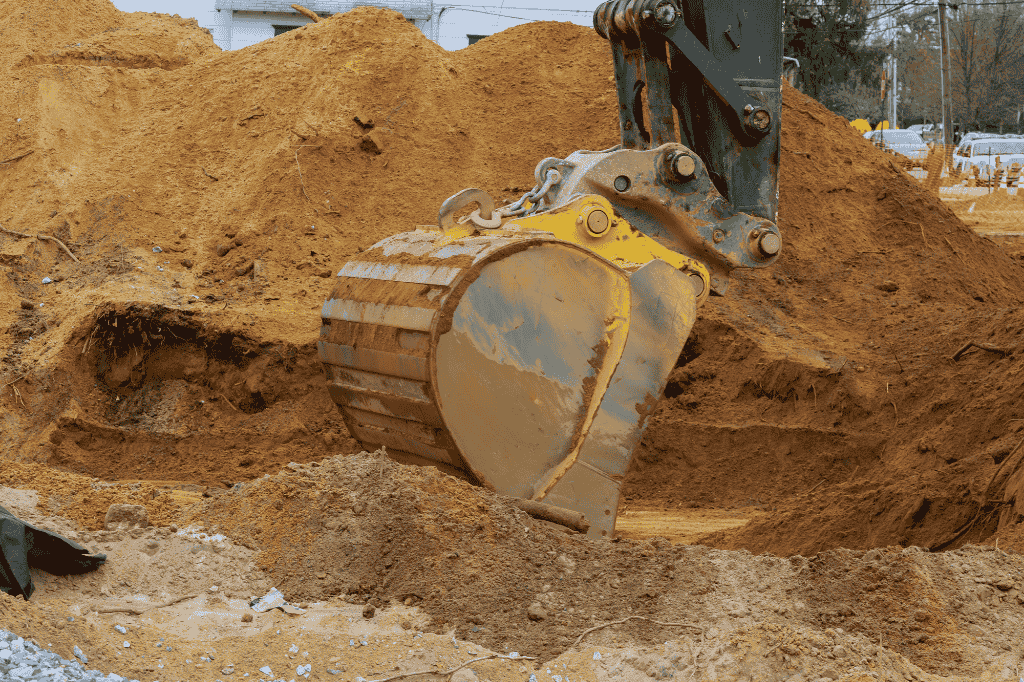
During rock excavation, safety is crucial. Earth Movers International follows strict protocols to ensure the safety of both workers and nearby structures. Additionally, we consider factors like noise levels and vibrations.
- Topsoil Excavation
This is often the first step in the excavation process, involving the removal of the topmost layer of soil. This layer is rich in organic matter and is unsuitable for supporting foundations because it is susceptible to expansion and contraction due to moisture. Topsoil excavation ensures that the more stable layers beneath are exposed, providing a secure base for subsequent construction.
- Trench Excavation
Pipes, cables, and other utilities are laid using trench excavation. This involves creating long, narrow excavations of varying depths. It is essential to ensure the trenches are stable and safe, which often requires shoring systems to prevent collapses.
- Basement Excavation
Excavations go deeper into the ground when basements are included in a building. It can be challenging to excavate a basement, especially in urban areas where the proximity of other buildings makes soil and water conditions a particular concern.
- Dredging
Dredging is the excavation of bottom sediments under shallow seas or freshwater areas with the aim of disposing of them elsewhere. Often, this method is used to maintain navigability on waterways, as well as to replenish sand on public beaches.
- Muck Excavation
Muck is a mixture of water and soil which is often insufficiently stable to support construction. A muck excavation involves removing or treating this material. Muck might be dried out or stabilized with chemical processes to make it suitable for construction. Our specialized equipment and techniques make muck excavation as efficient as possible. Several methods can be used to ensure a workable site, such as dewatering systems, stabilization methods, and careful material handling.
Essential Steps in the Excavation Process
1. Site Evaluation and Planning
A thorough site assessment and strategic planning process are essential before construction begins. The current site conditions will be evaluated by engineering, architectural, or surveying professionals, including topography, soil composition, and existing underground utilities and structures. It may include new utilities, drainage systems, grading adjustments, building footprints, pavement, and landscaping.
When the site plan is finalized, pricing estimates and contractor selection can be conducted. A permit application must also be submitted to local authorities to ensure compliance with development regulations. A site work contractor with extensive experience can provide valuable insights into existing conditions and optimize project planning early on.
2. Land Clearing
Following the planning phase, site preparation begins with clearing the land. Construction begins as soon as surface obstacles are removed by heavy machinery and operators. Trees, brush, vegetation, and existing structures are removed during this phase. In addition, waste materials are transported off-site for recycling, composting, or disposal. A variety of factors determine the duration of this step, including the season, site size, vegetation density, equipment type, and team capacity.
3. Excavation and Grading
Strong and durable structures begin with solid foundations. The excavation process ensures a stable foundation by removing underground obstructions like roots and rocks.
Excavators can remove shallow obstructions by digging near the surface. Controlled blasting, however, may be necessary for deeper bedrock. A blast grid and grade stakes are used to guide drilling depth in these cases. Water, sewage, storm drains, and electricity are also planned within this grid. It is possible to minimize hazards and contain debris using blasting mats and loose soil.
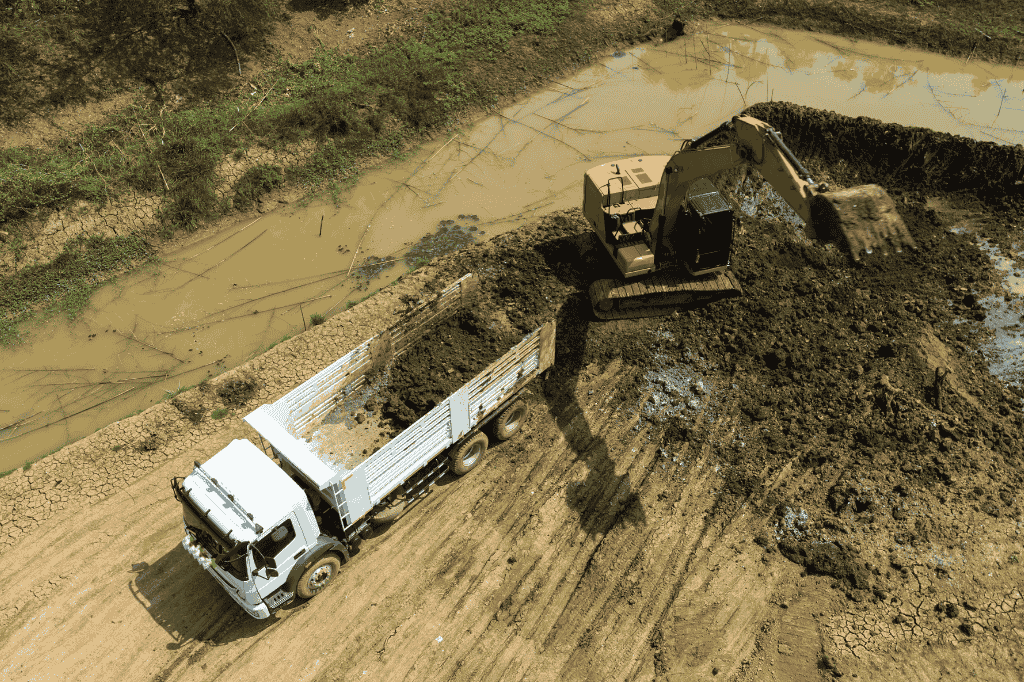
This phase also includes grading the site to achieve the required topography. Building pads, roads, slopes, swales, and basins for drainage and stormwater management are all leveled. Upon completion of excavation, backfilling and compacting ensure that the foundation is secure and stable.
4. Utility Installation, Drainage, and Paving
Utility installation follows excavation and grading. There are trenches dug to provide essential services such as water, sewage, electricity, cable, telecommunications, and internet access. Construction teams ensure utilities can connect to existing hookups or arrange for new connections with utility providers. A timely start to this process is crucial to ensuring the availability of power for the subsequent phases of construction.
Furthermore, drainage infrastructure is installed to manage runoff, including pipes, retention ponds, rain gardens, and storm drains. This stage also involves paving roads, parking lots, and other areas to accommodate equipment access and transportation.
5. Final Landscaping and Site Cleanup
The development of a site can be carried out simultaneously with the construction of a building. Depending on the excavation firm, the site work team may remain involved until the project is completed.
Landscaping and the development of outdoor areas are included in the final phase. The objective is to enhance the aesthetic appeal of the site and the sustainability of the environment by installing hardscapes, planting trees and shrubs, and planting other vegetation. All debris, machinery, and excess materials are removed prior to handing over the site, ensuring that it is safe, clean, and ready for the next phase of construction.
Excavation Hazards and Control Measures
There are risks associated with excavation work. Accidents can be prevented by understanding hazards and implementing safety measures.
Common Excavation Hazards
- Cave-ins: One of the most dangerous hazards associated with excavation is the risk of collapsing walls.
- Falling Objects: Debris, tools, or materials falling into excavations.
- Hazardous Gases: Deep trenches can accumulate underground gases that pose a health risk.
- Machinery Accidents: Unsafe operation of heavy equipment can result in injuries.
- Worker Falls: Falls and severe injuries can occur due to unprotected edges.
Safety Measures to Prevent Excavation Accidents
- Use Protective Systems: Benching, trench boxes, and shoring are all ways to prevent cave-ins.
- Conduct Regular Inspections: Daily inspections of excavation sites are required by safety officers.
- Provide Worker Training: Training in excavation safety protocols is necessary for employees.
- Ensure Proper Ventilation: Air hazards can be reduced with gas detectors and ventilation systems.
- Maintain Clear Communication: To avoid accidents, workers and machine operators need to communicate clearly.
Final Words:
Any construction project begins with excavation. Every step matters, from site preparation to digging and ensuring safety. Proper excavation is essential for a successful build, whether it is a small residential project or a large-scale commercial project.
Earth Movers International, a professional excavation company, performs the process safely, efficiently, and with high-quality results. Using best practices and the right techniques can prevent delays, hazards, and unnecessary costs in construction projects.

